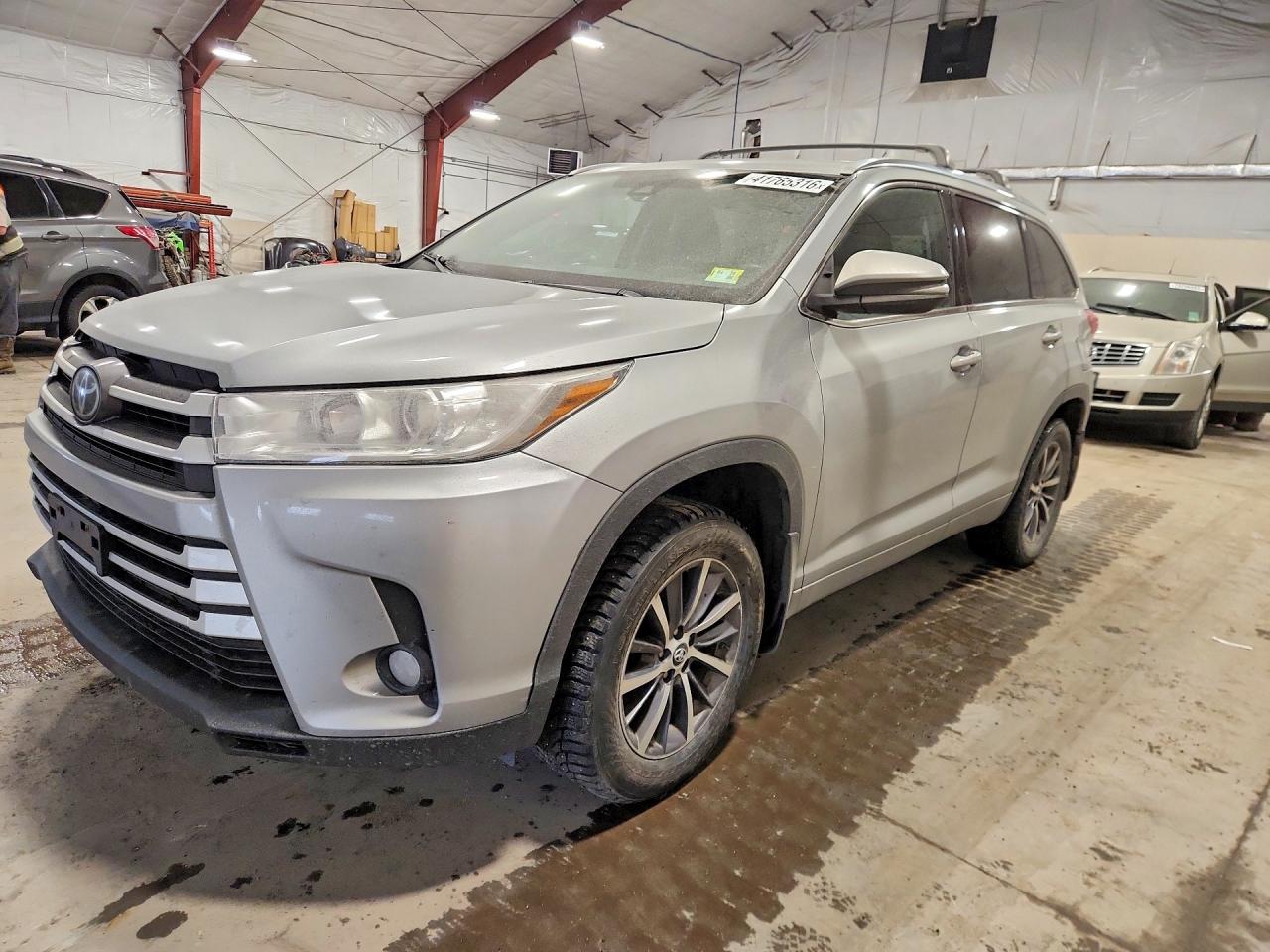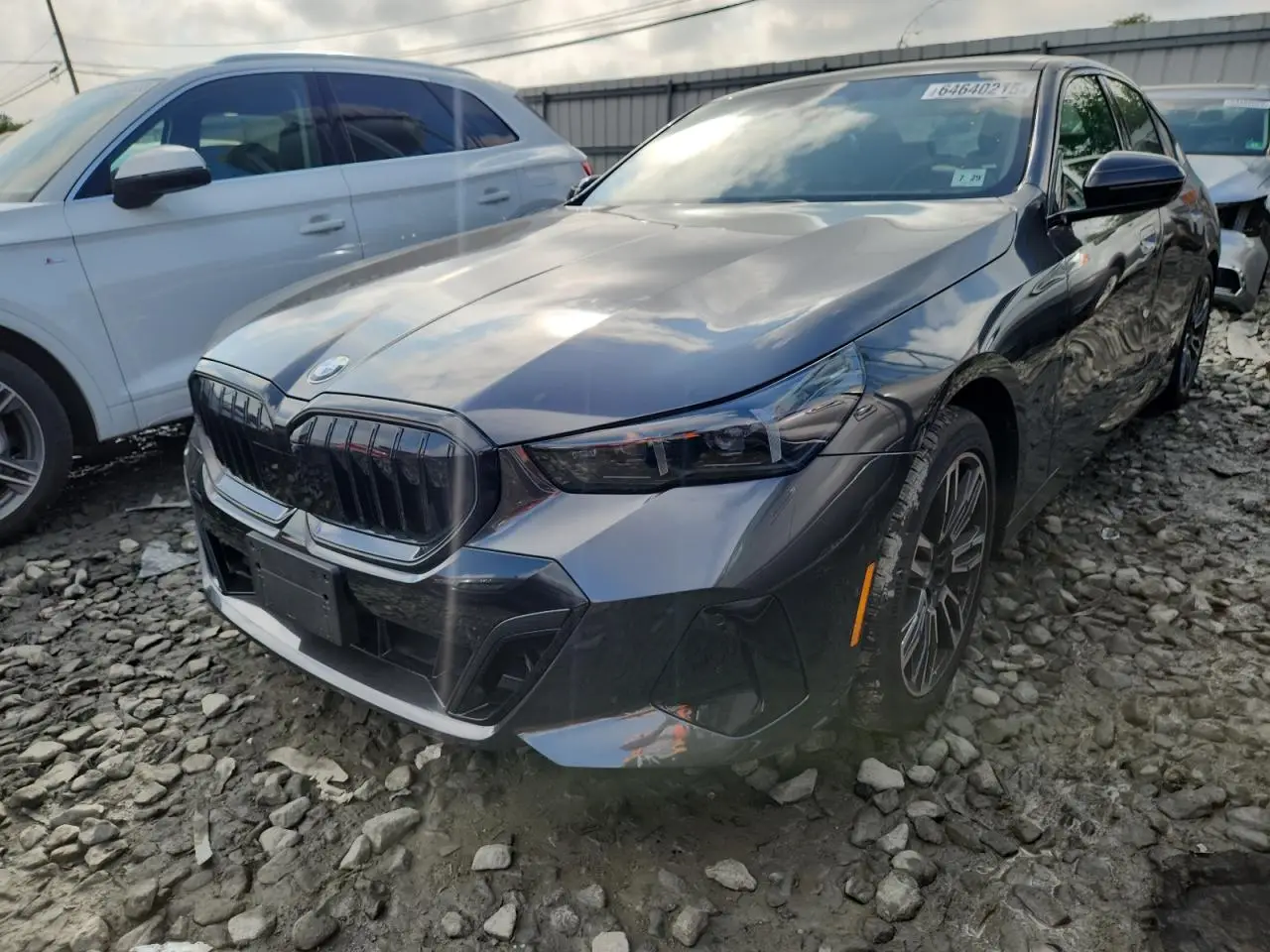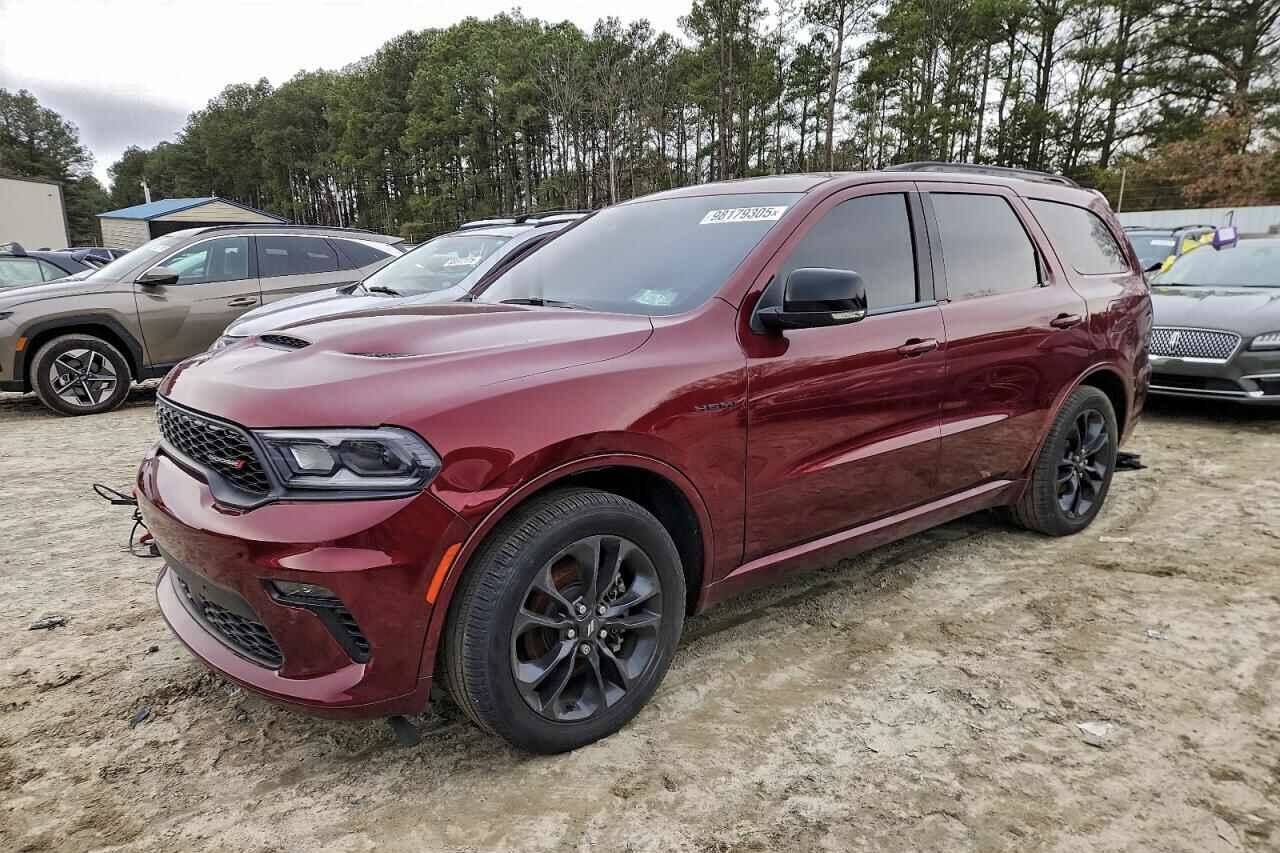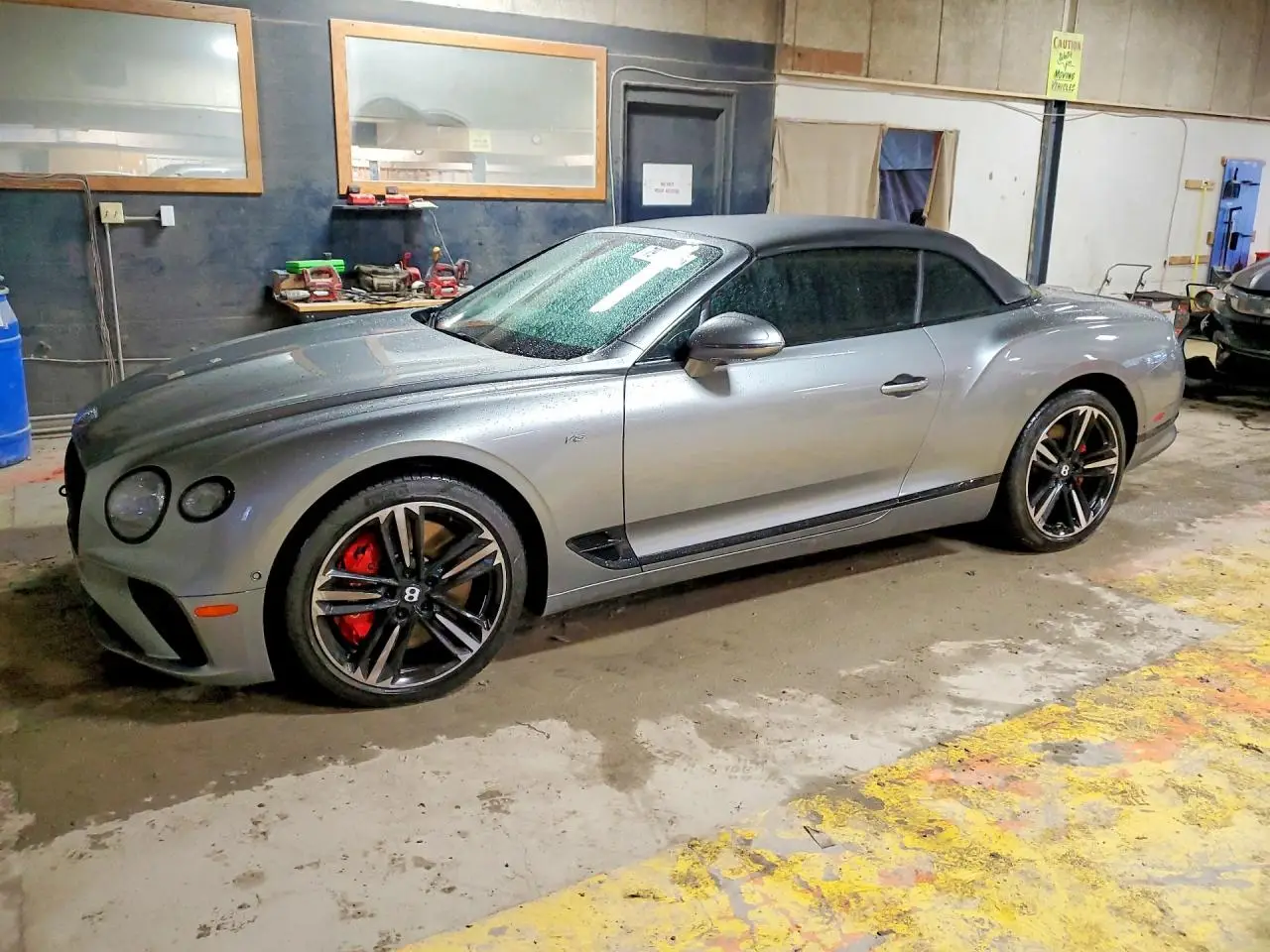
Mechanical Damaged Cars — What to Check Before You Buy
What “Mechanical Damage” means
A mechanical damage designation points to a fault in the engine, transmission, drivetrain or another running component rather than collision damage to the body. The cosmetic condition can look excellent while the repair bill is high.
Because the cause is rarely visible in photos, the key questions are what failed, whether a diagnosis exists and whether replacement parts are available for that model.
Frequently asked questions
Does mechanical damage mean the engine is dead?
Not necessarily. The label is broad and can range from a sensor or accessory problem to a failed engine or transmission, so ask for the diagnosis.
Can I rely on photos for this category?
Photos help little. Look for fluid leaks, warning lights in the dashboard shot and any available start-up or diagnostic details.
Inspection Checklist
Mechanical damage covers drivetrain, engine, and transmission failures. Repair costs vary widely. Diagnosis before bidding is highly recommended:
- High priority: Engine — check for hydrolocked, seized, or overheated condition; pull codes
- High priority: Transmission — test all gears; slipping or non-engagement indicates major repair
- High priority: Cooling system — inspect for blown head gasket signs: white smoke, milky oil
- Medium priority: Drivetrain — check axles, driveshaft, and differentials for noise or play
- Medium priority: OBD-II codes — scan for stored and pending fault codes before bidding
- Medium priority: Fluids — inspect oil, coolant, and transmission fluid color and level
- Low priority: Service history — mechanical failures are easier to assess with known maintenance records
General guidance only — not a substitute for a professional pre-purchase inspection. See our disclaimer.
Mechanical Damage vehicles in our catalog