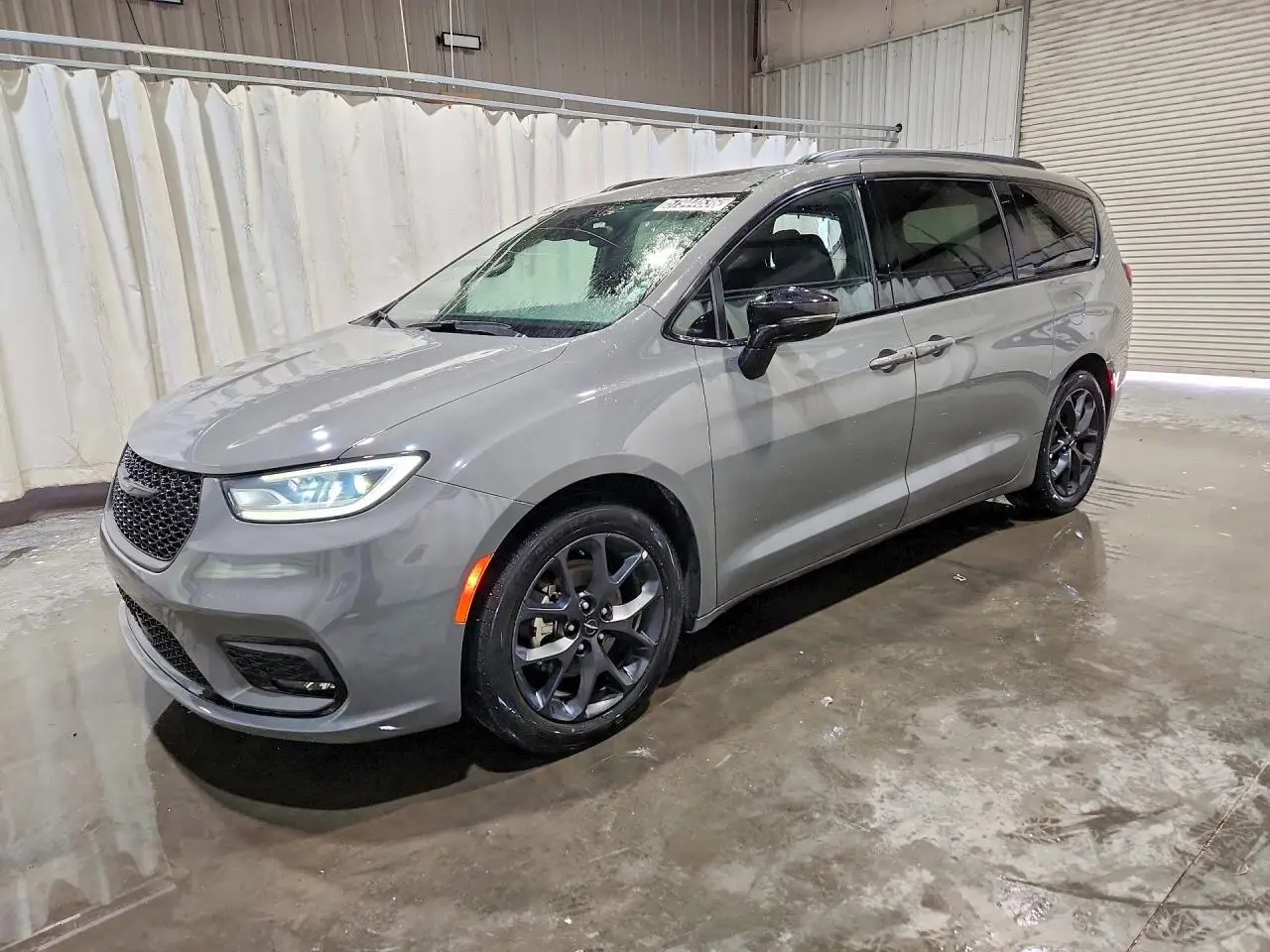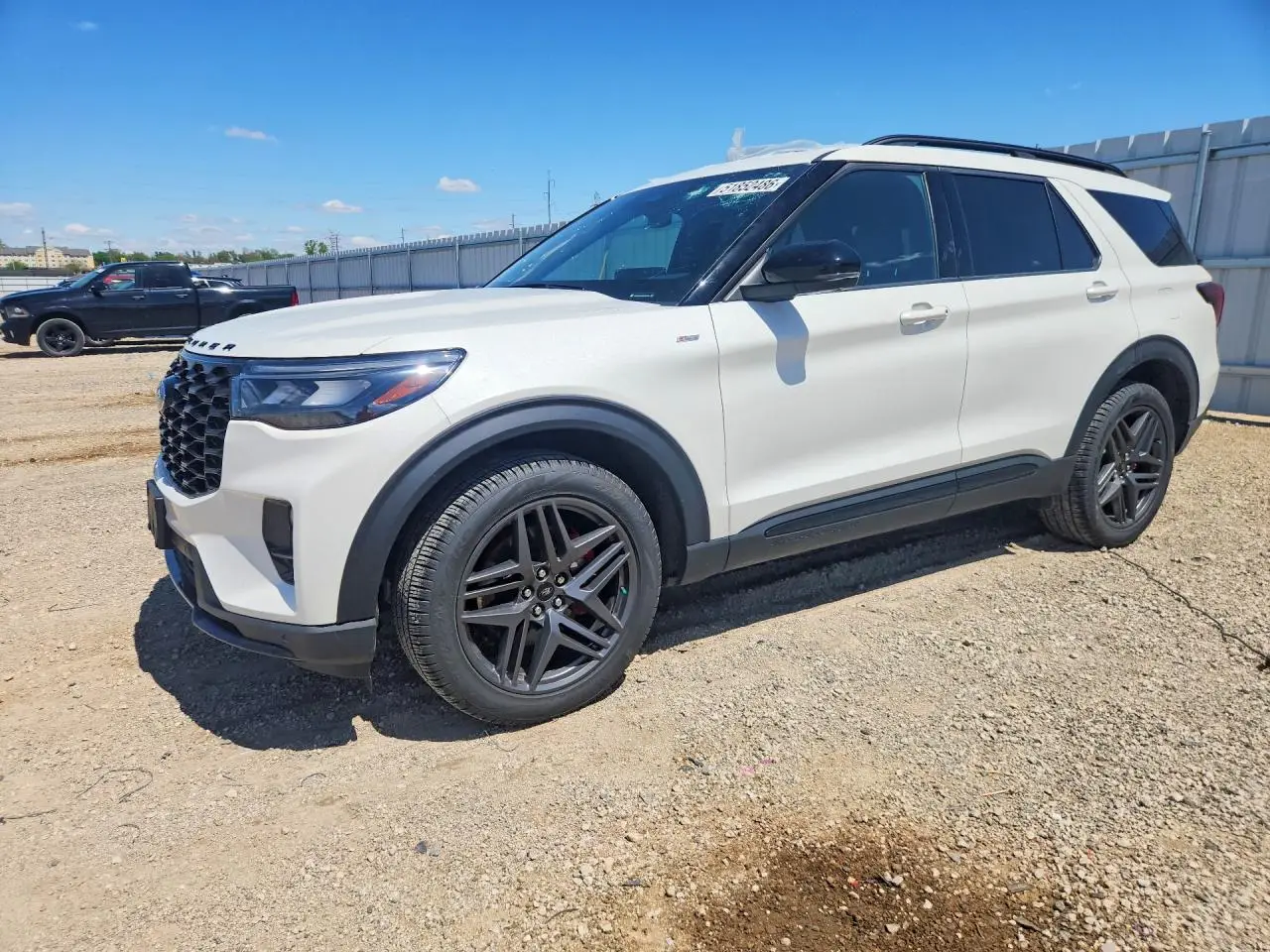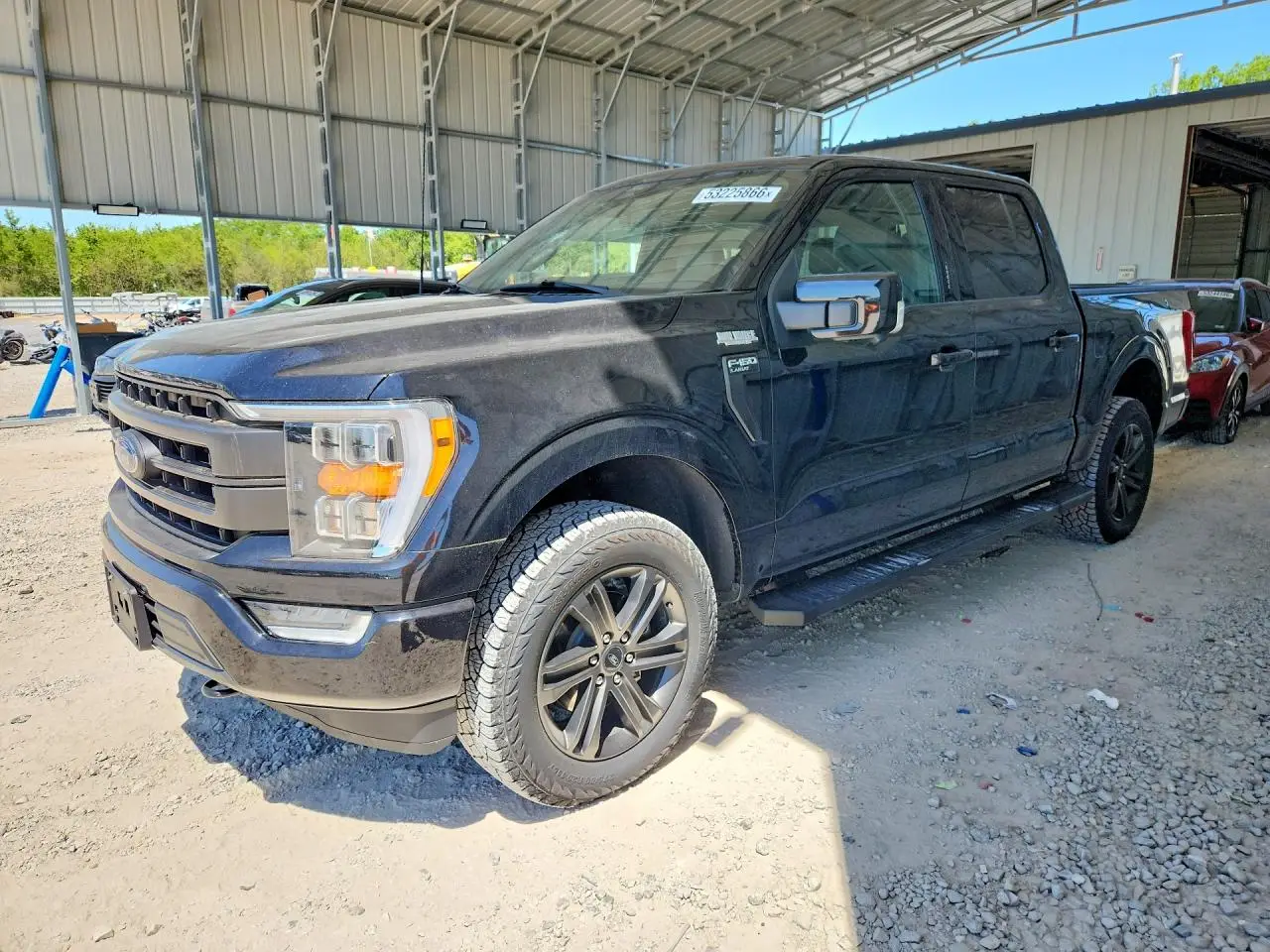
Hail Damaged Cars — What to Check Before You Buy
What “Hail Damage” means
Hail damage usually affects the roof, hood and trunk lid with many shallow dents, and can crack the windshield, lights and trim. The drivetrain is normally untouched, so the vehicle often drives perfectly well.
The main question is repair method: paintless dent repair can restore many panels, while deep or sharp dents may need panel replacement and repainting.
Frequently asked questions
Is a hail-damaged car safe to drive?
Usually yes, as long as the glass is intact and no components were damaged, but have it inspected.
How are hail dents repaired?
Paintless dent repair works for many shallow dents. Stretched metal or cracked paint typically needs bodywork and repainting.
Inspection Checklist
Hail damage is typically cosmetic but can affect glass, seals, and paint. It is one of the more repairable auction categories when assessed correctly:
- High priority: Roof, hood, and trunk lid — count and assess dent density; PDR cost scales with quantity
- High priority: Glass — inspect windshield, sunroof, and rear glass for cracks or chips
- Medium priority: Door panels and fenders — side panels often have fewer dents but check thoroughly
- Medium priority: Paint condition — severe hail can crack clear coat, requiring full repaint on affected panels
- Medium priority: Trim and seals — hail can crack plastic trim, mirror housings, and weatherstripping
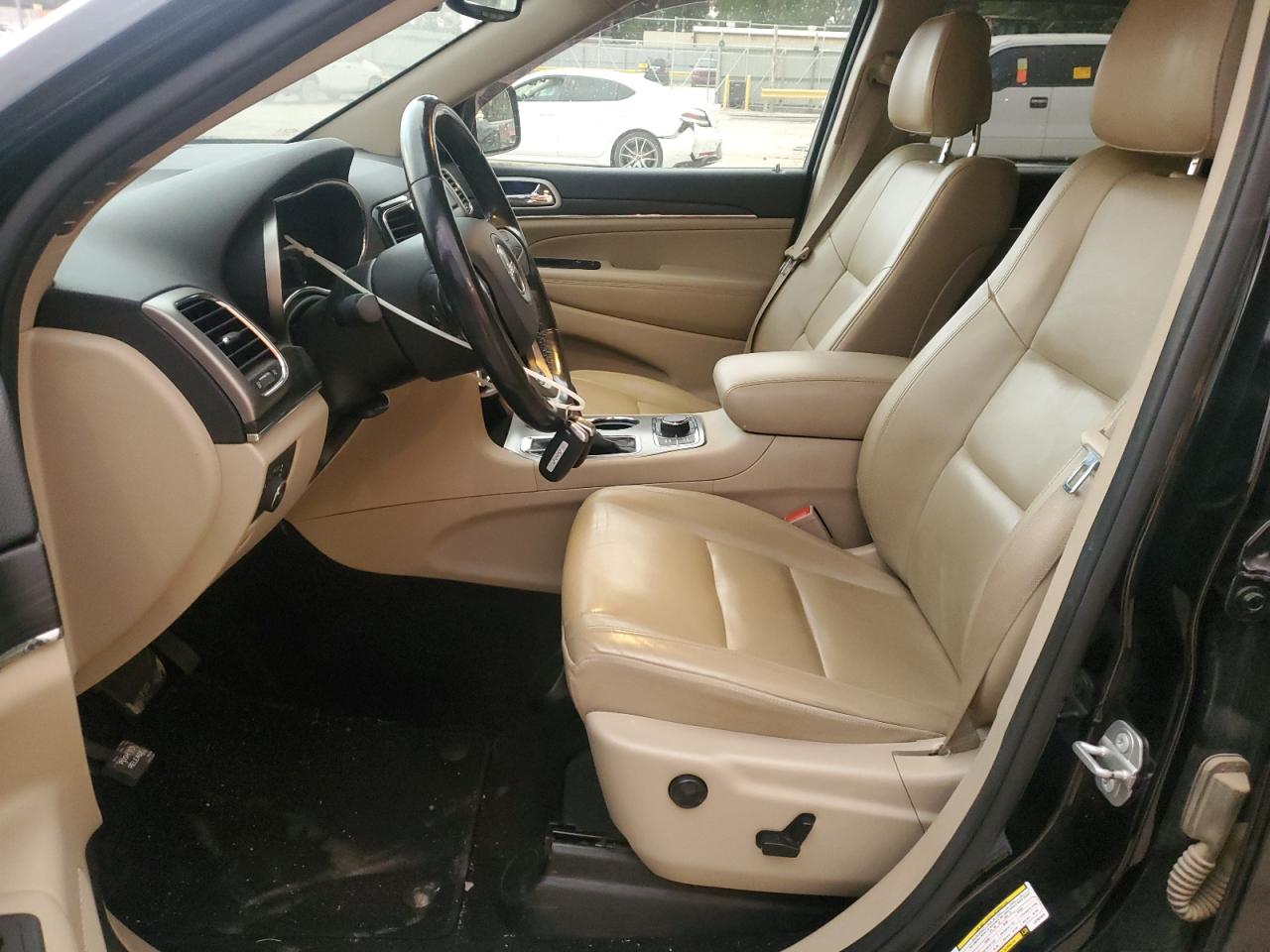
- Low priority: Interior — check for water intrusion through damaged seals or cracked glass
General guidance only — not a substitute for a professional pre-purchase inspection. See our disclaimer.