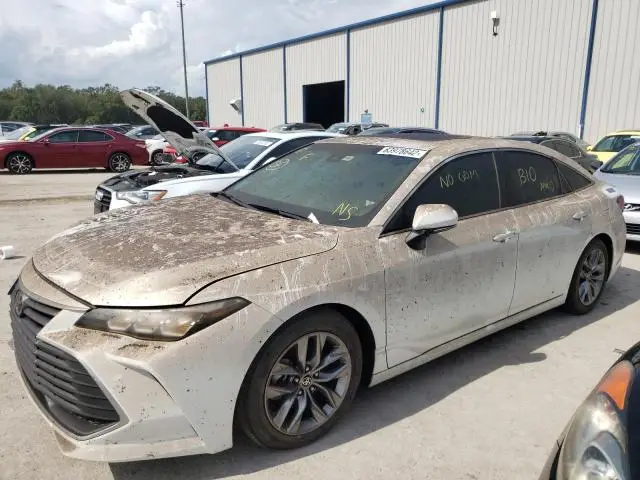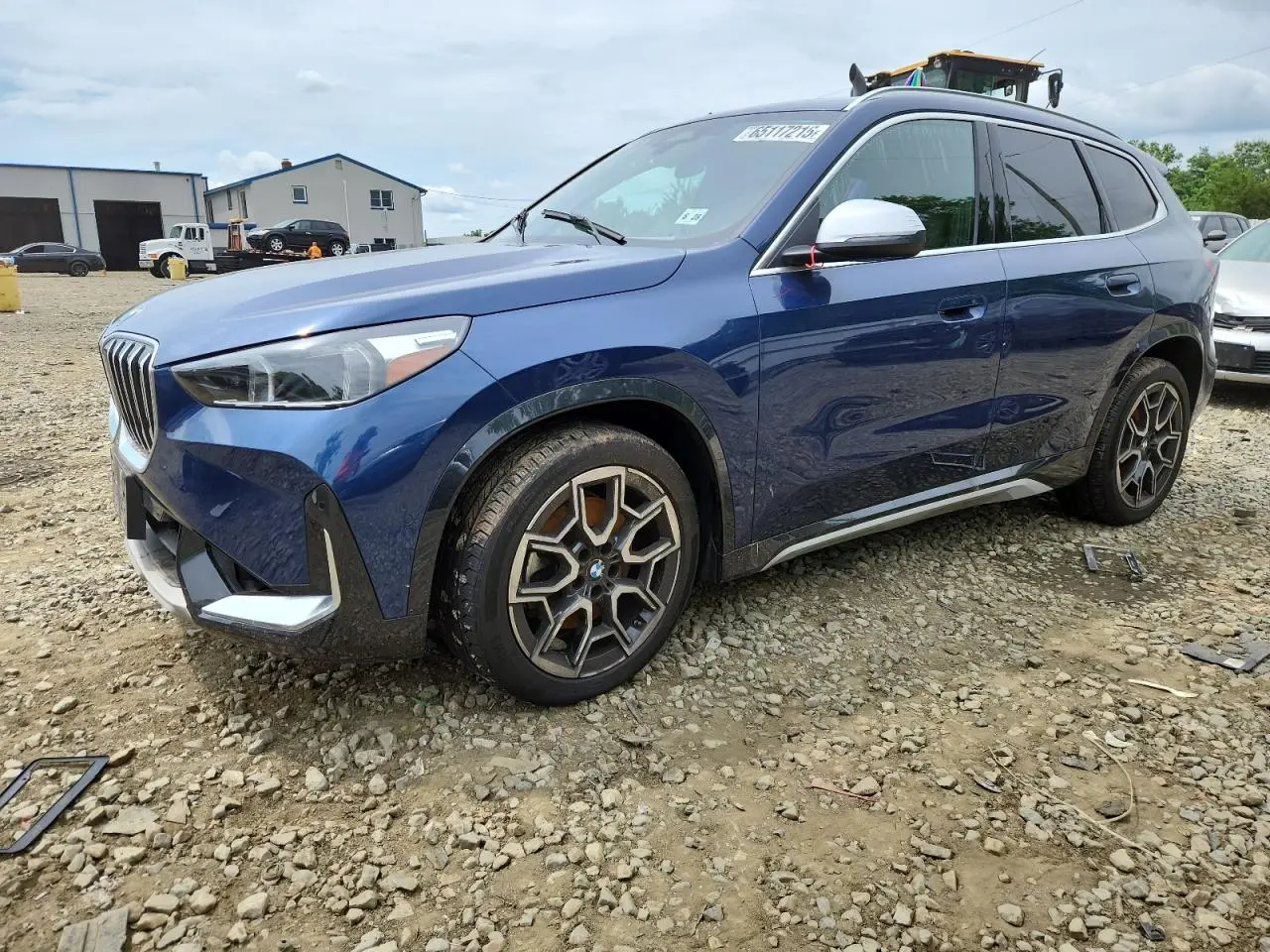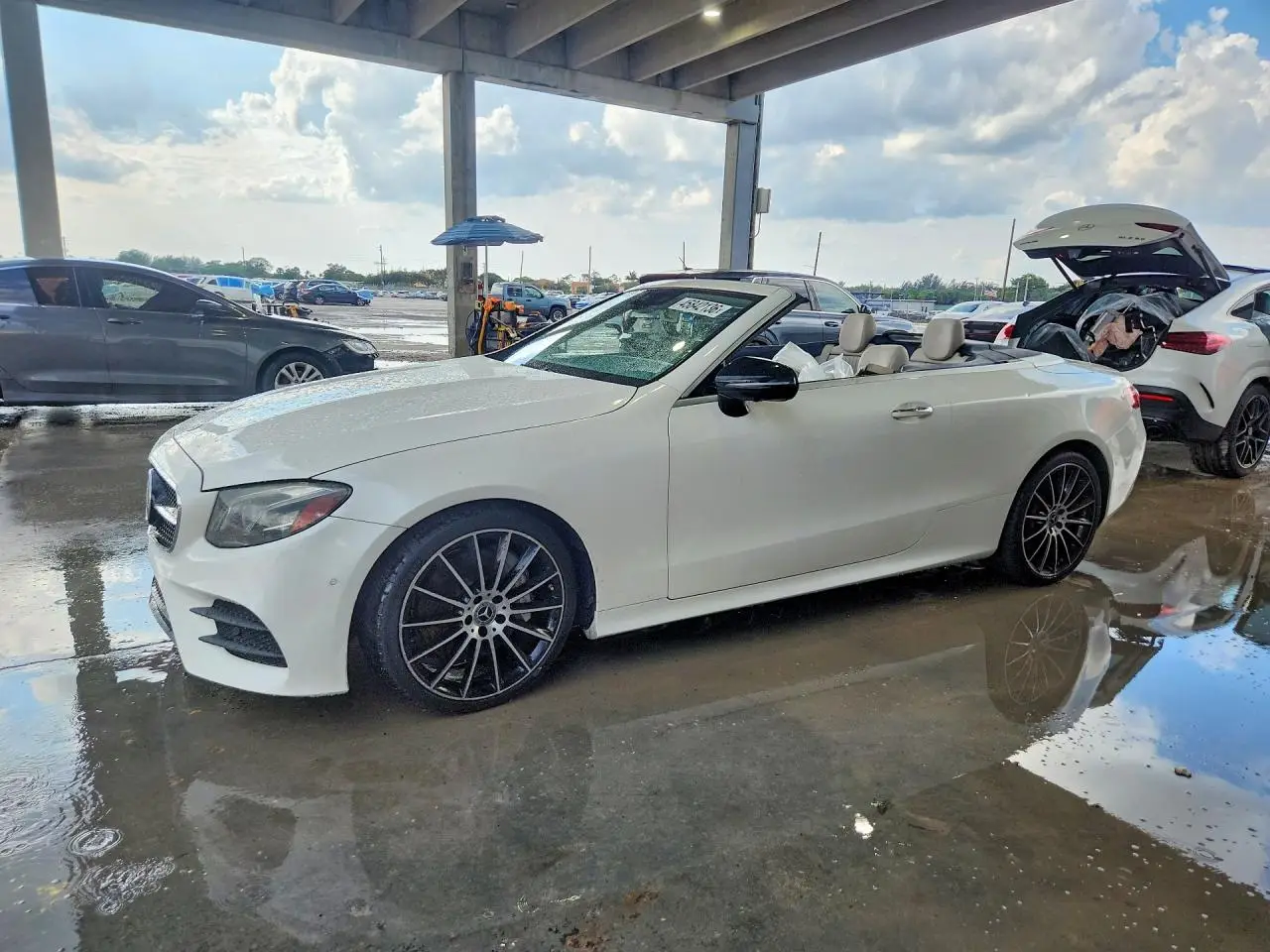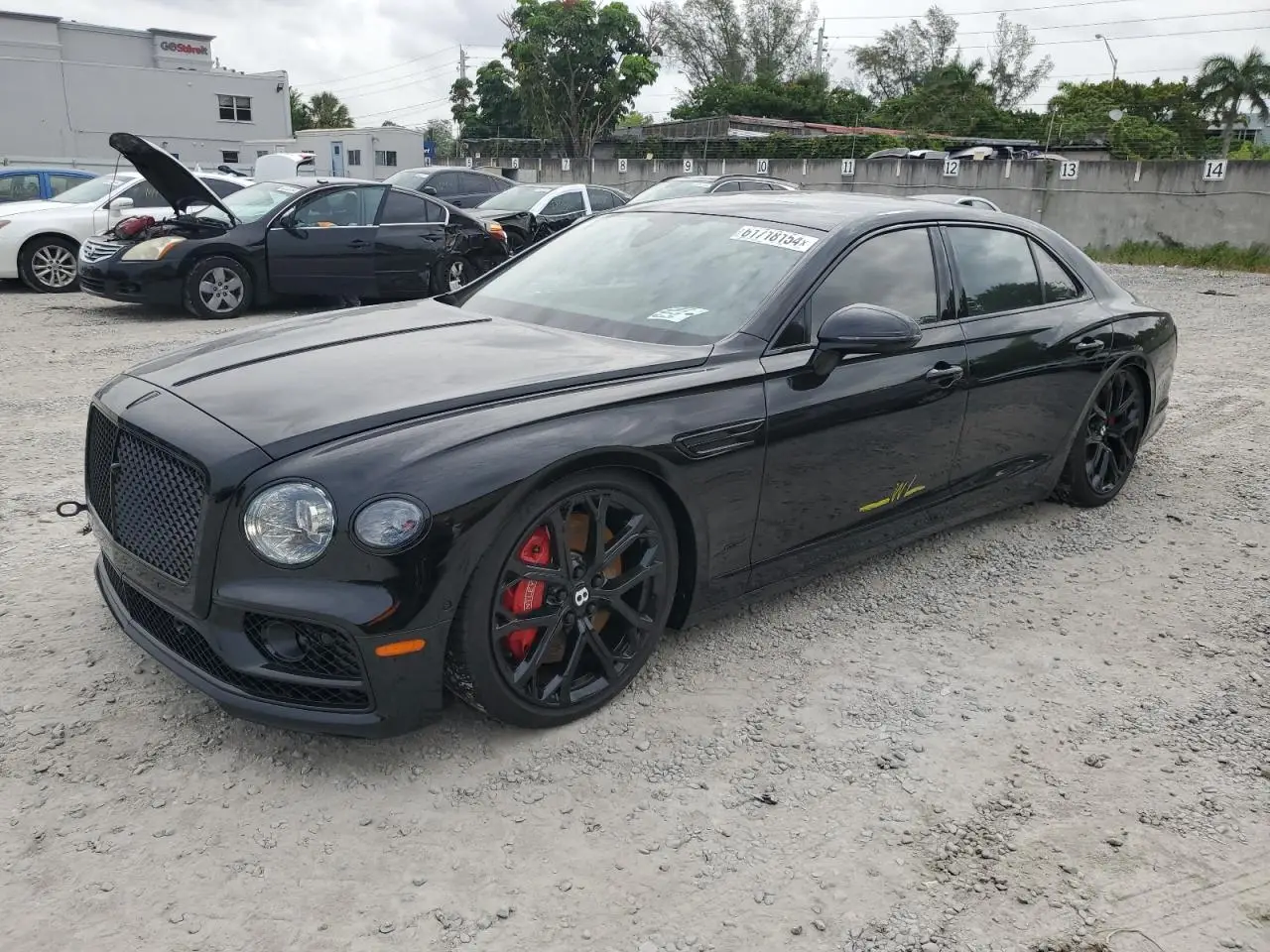
Flood Damaged Cars — What to Check Before You Buy
What “Flood Damage” means
A flood damage designation means the vehicle has been partly or fully submerged. Water reaches the cabin, wiring, control modules and sometimes the engine intake, and the problems often appear weeks or months after the event rather than immediately.
Salt water or contaminated flood water is considerably worse than clean fresh water, because it speeds up corrosion in connectors, brake components and seat mechanisms. A thorough inspection of the electronics and the interior floor matters more here than the look of the body.
Frequently asked questions
Can a flood-damaged car be repaired reliably?
Sometimes, but the outcome varies a lot. Corrosion in wiring and control modules can surface long after a repair, so many buyers treat flood vehicles as high-risk and price them accordingly.
What is the biggest warning sign?
A damp or musty interior, mud or sand under carpets, rust on seat rails and condensation inside lights. Always lift the carpets and check the subfloor.
Should I get a professional inspection?
Yes. A mechanic who can scan every control module and inspect the underside is the best protection for this category.
Inspection Checklist
Flood-damaged vehicles carry significant long-term risks. Water intrusion affects electrical systems, promotes mold growth, and accelerates corrosion. Critical items to verify:
- High priority: Electrical system — check for corroded connectors, blown fuses, and ECU water damage
- High priority: Interior — lift carpets and check subfloor for rust, mud lines, and moisture
- High priority: Engine and transmission — verify no water entered intake; inspect oil for milky appearance
- High priority: Mold and odor — smell the interior carefully; mold remediation is costly and often incomplete
- Medium priority: Seat rails and seatbelt mechanisms — these corrode and may fail safety checks
- Medium priority: Braking system — inspect rotors, calipers, and ABS module for corrosion
- Low priority: Exterior drain plugs — verify they were removed to allow drainage after the event
General guidance only — not a substitute for a professional pre-purchase inspection. See our disclaimer.
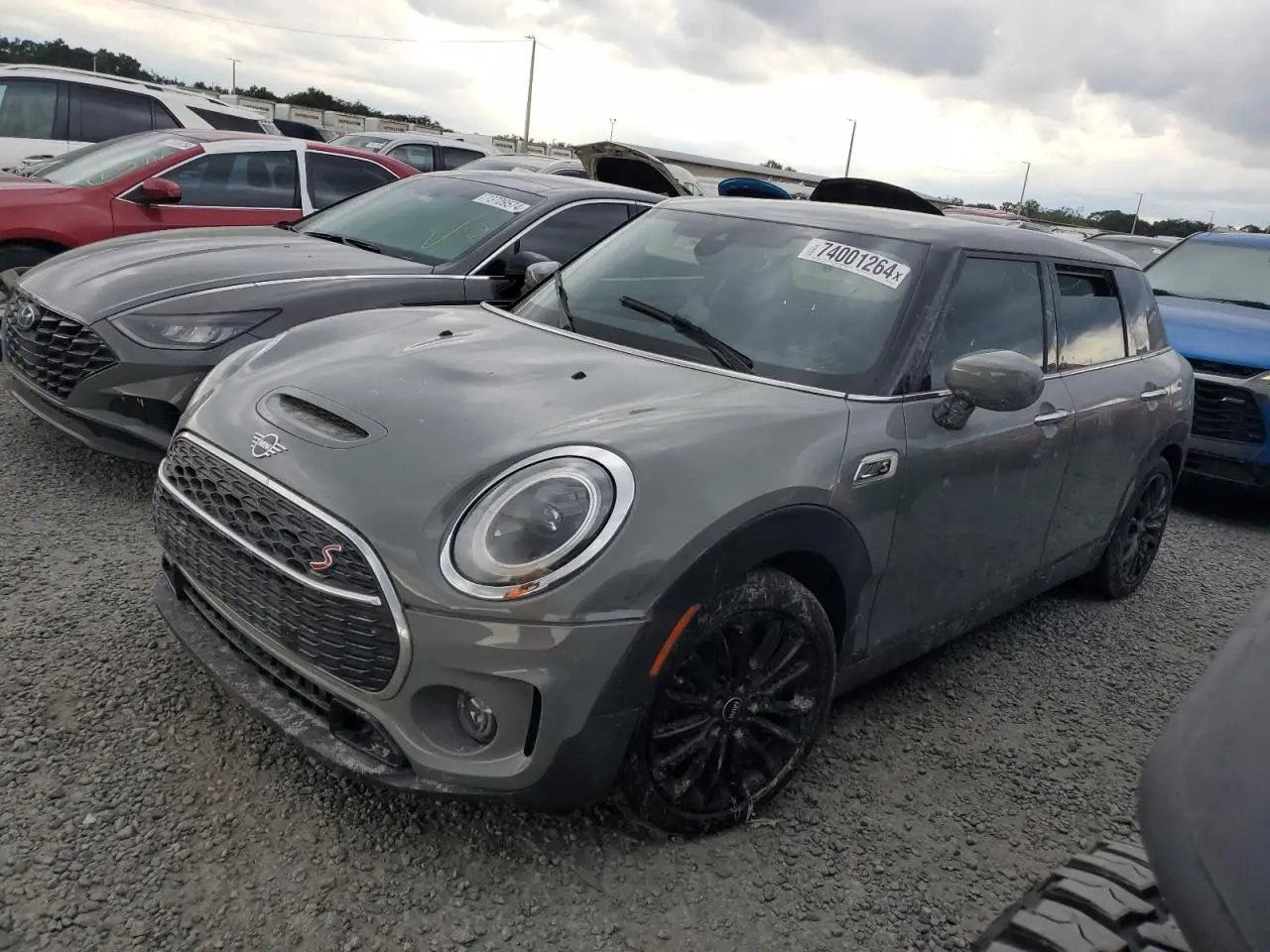
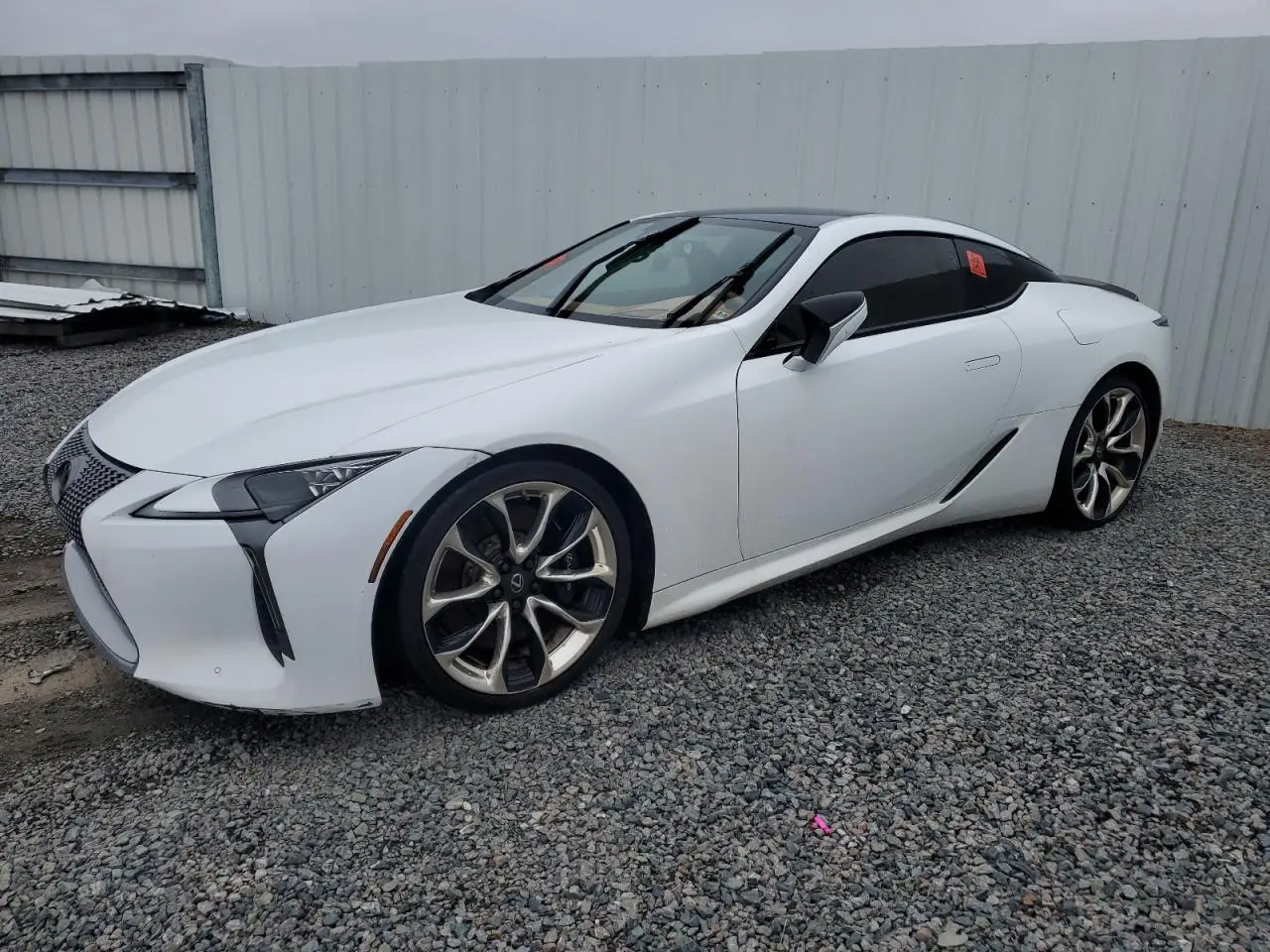
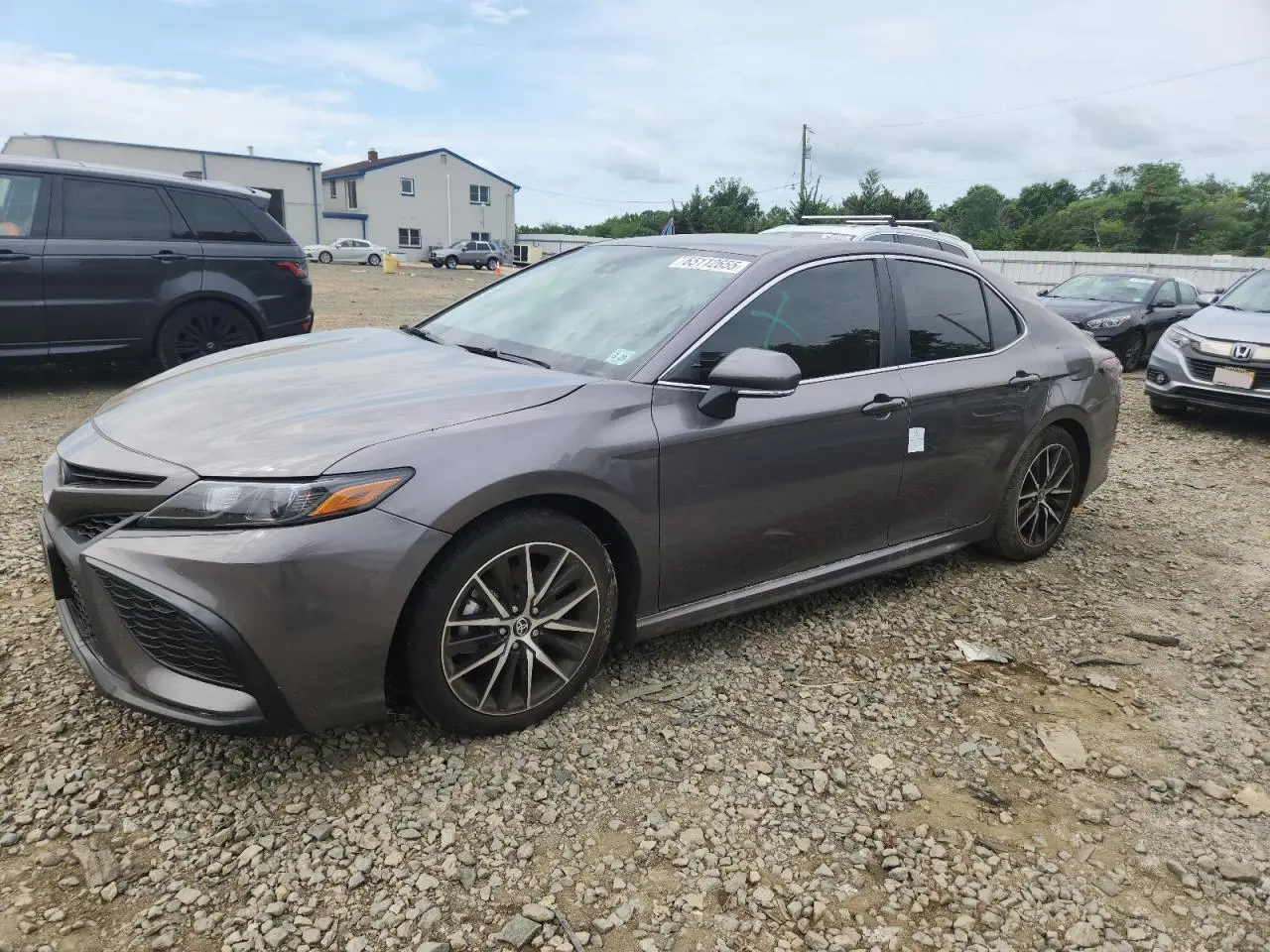
Flood Damage vehicles in our catalog