Minor Damaged Cars — What to Check Before You Buy
What “Minor Damage” means
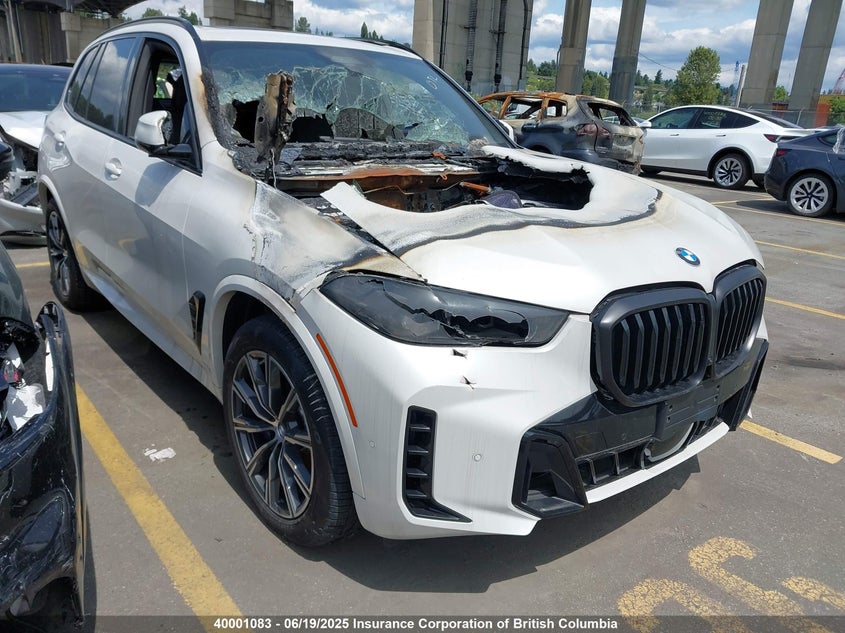
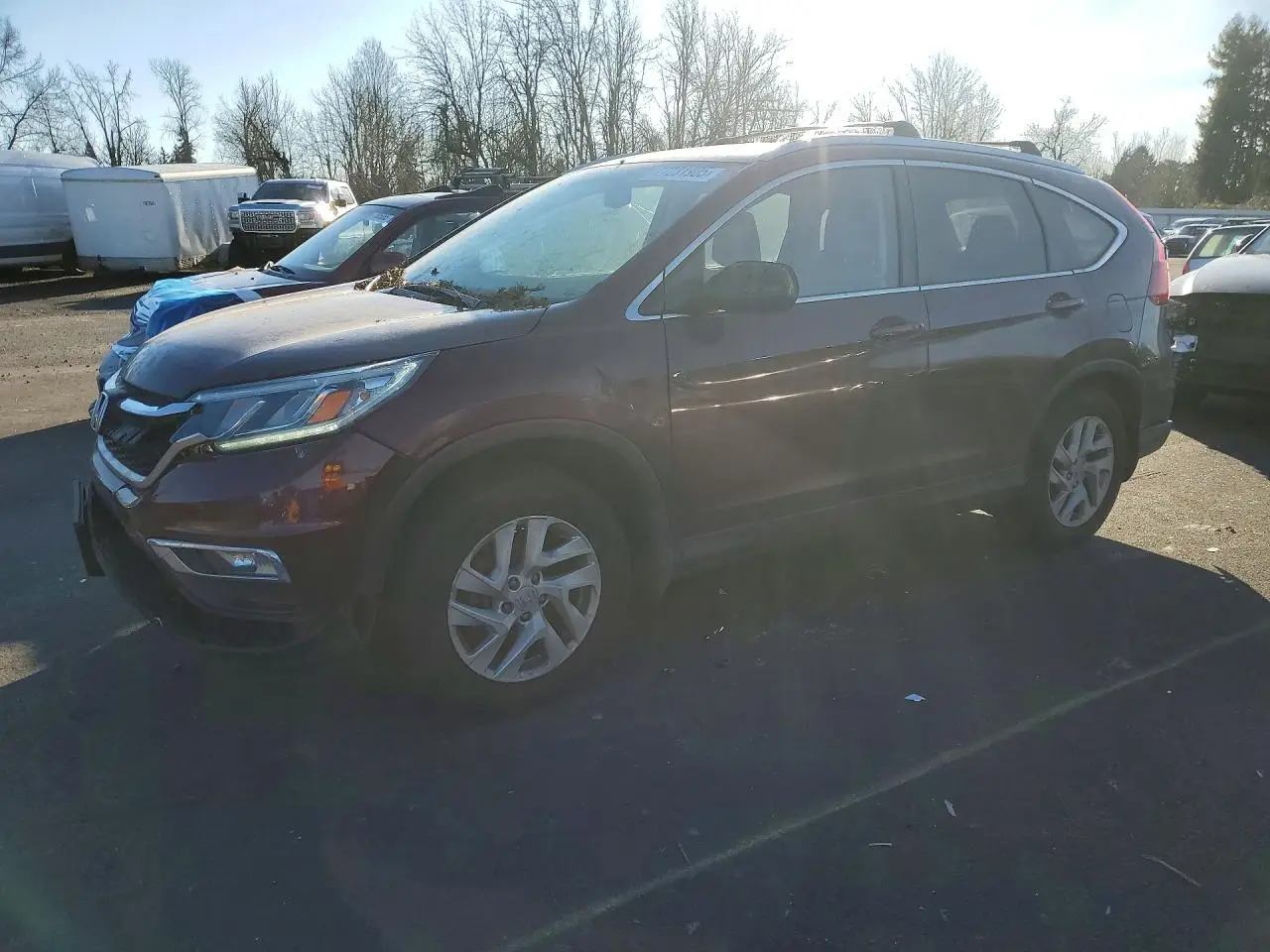
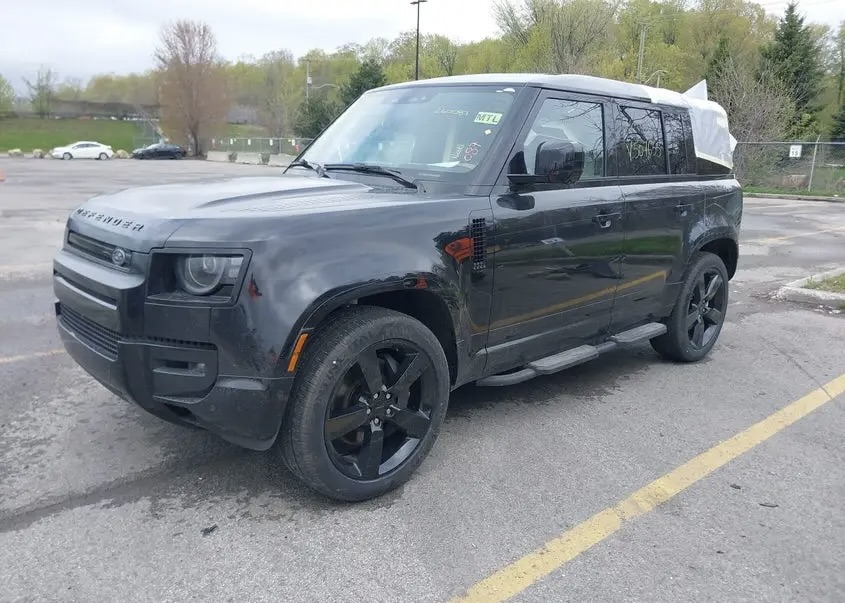
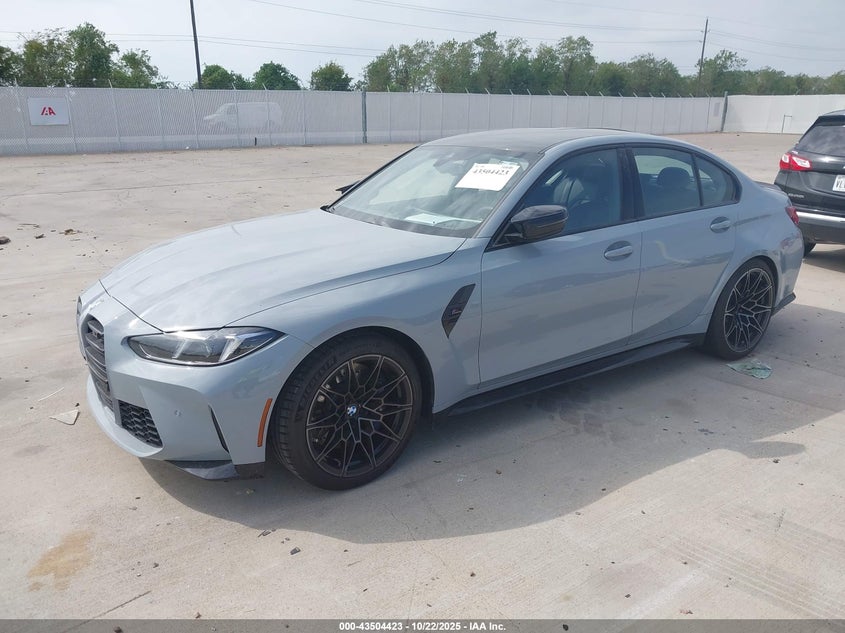
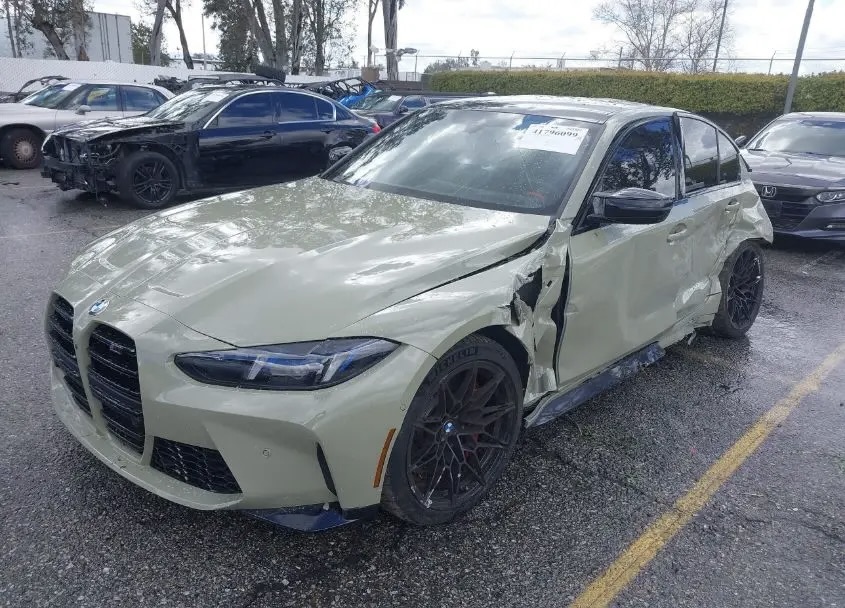
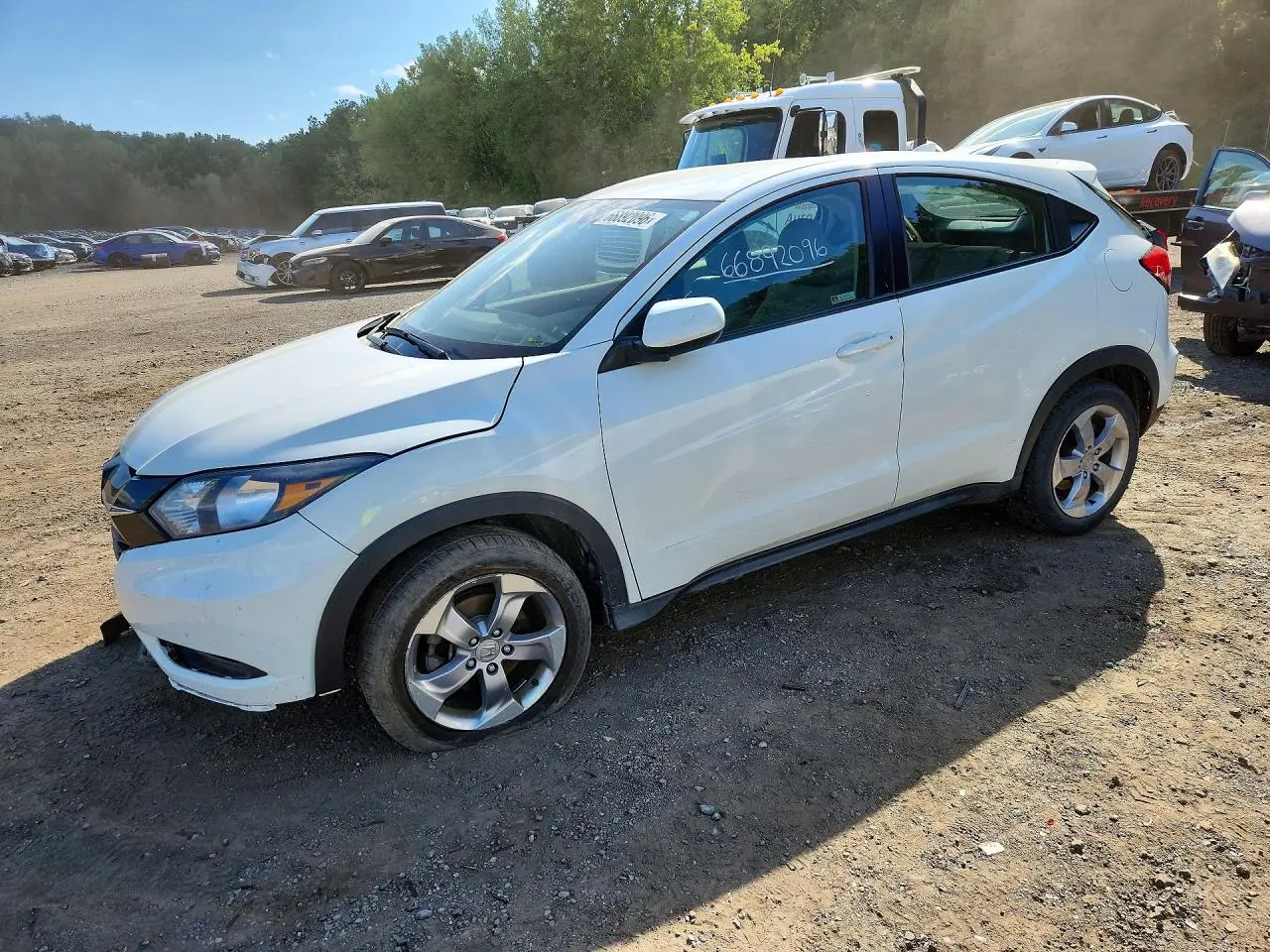
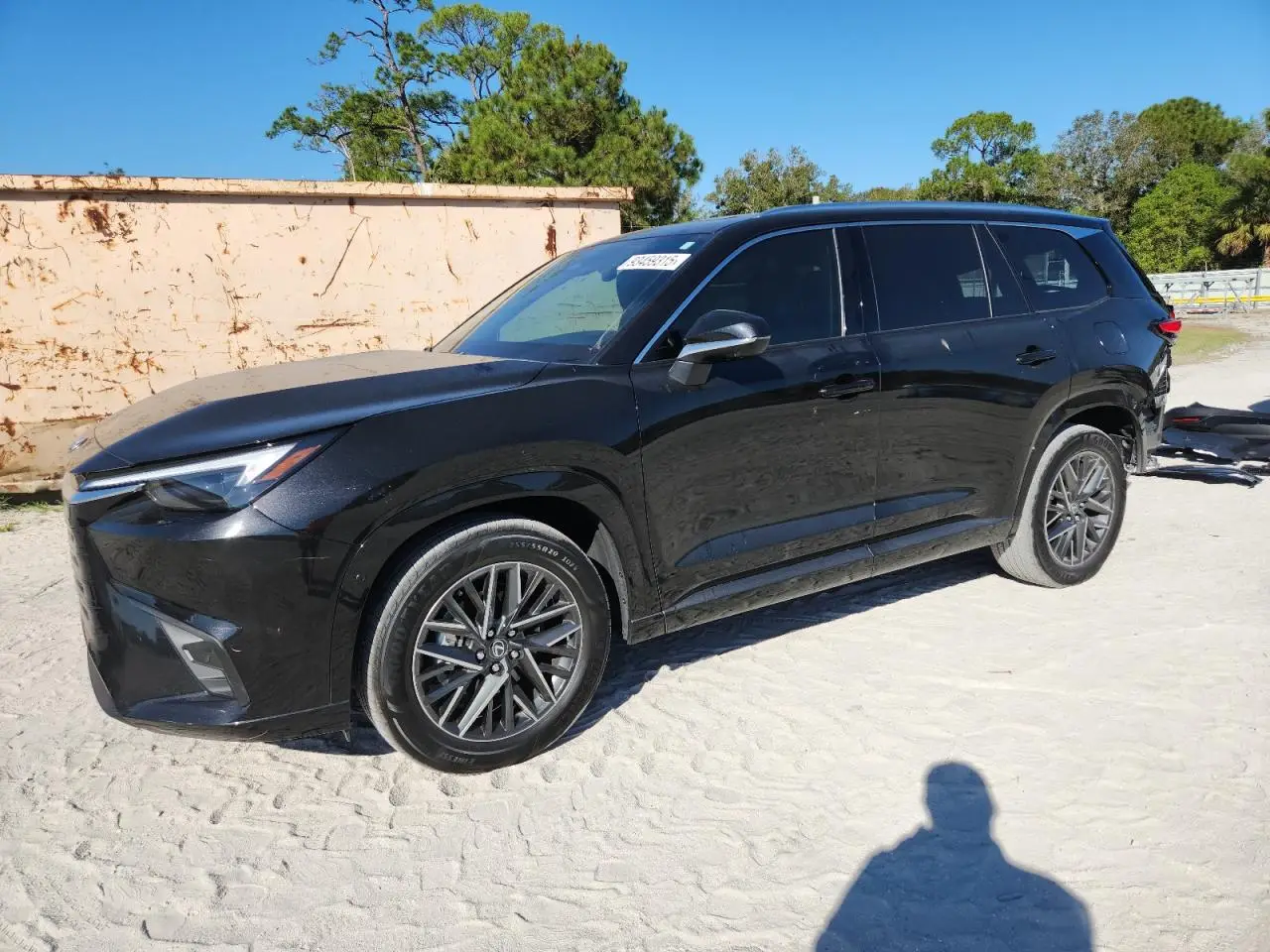
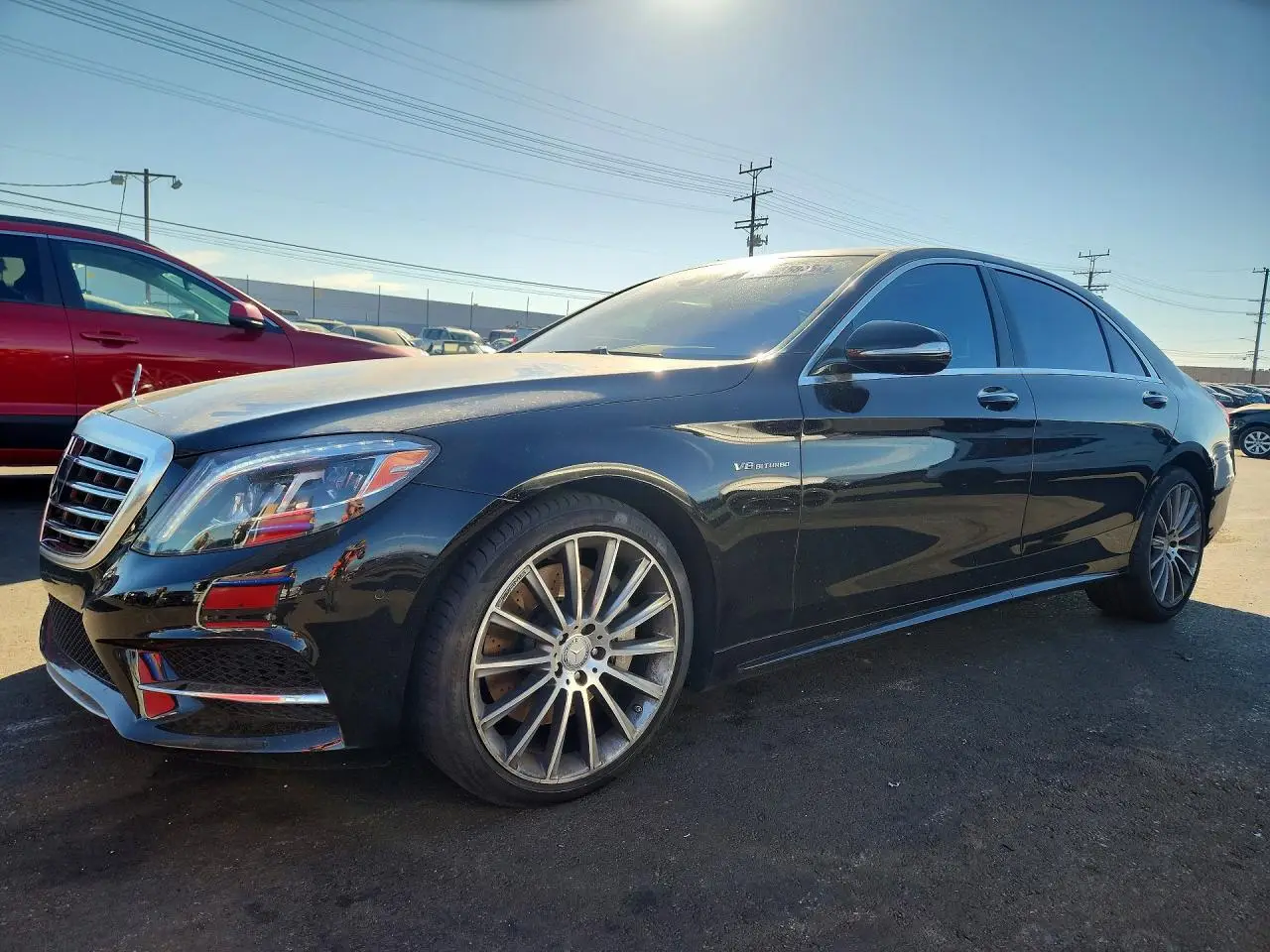
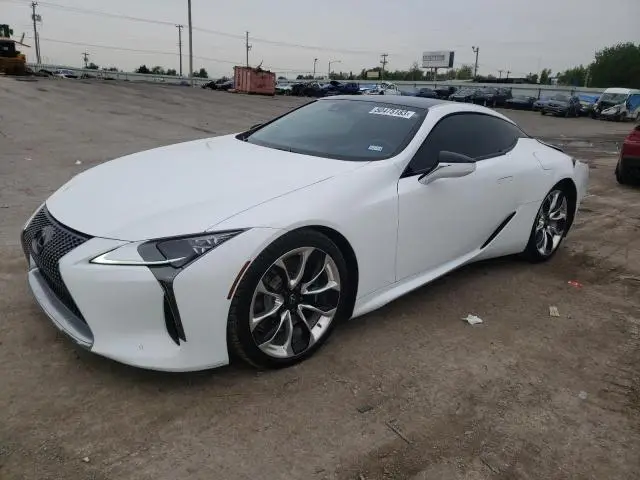
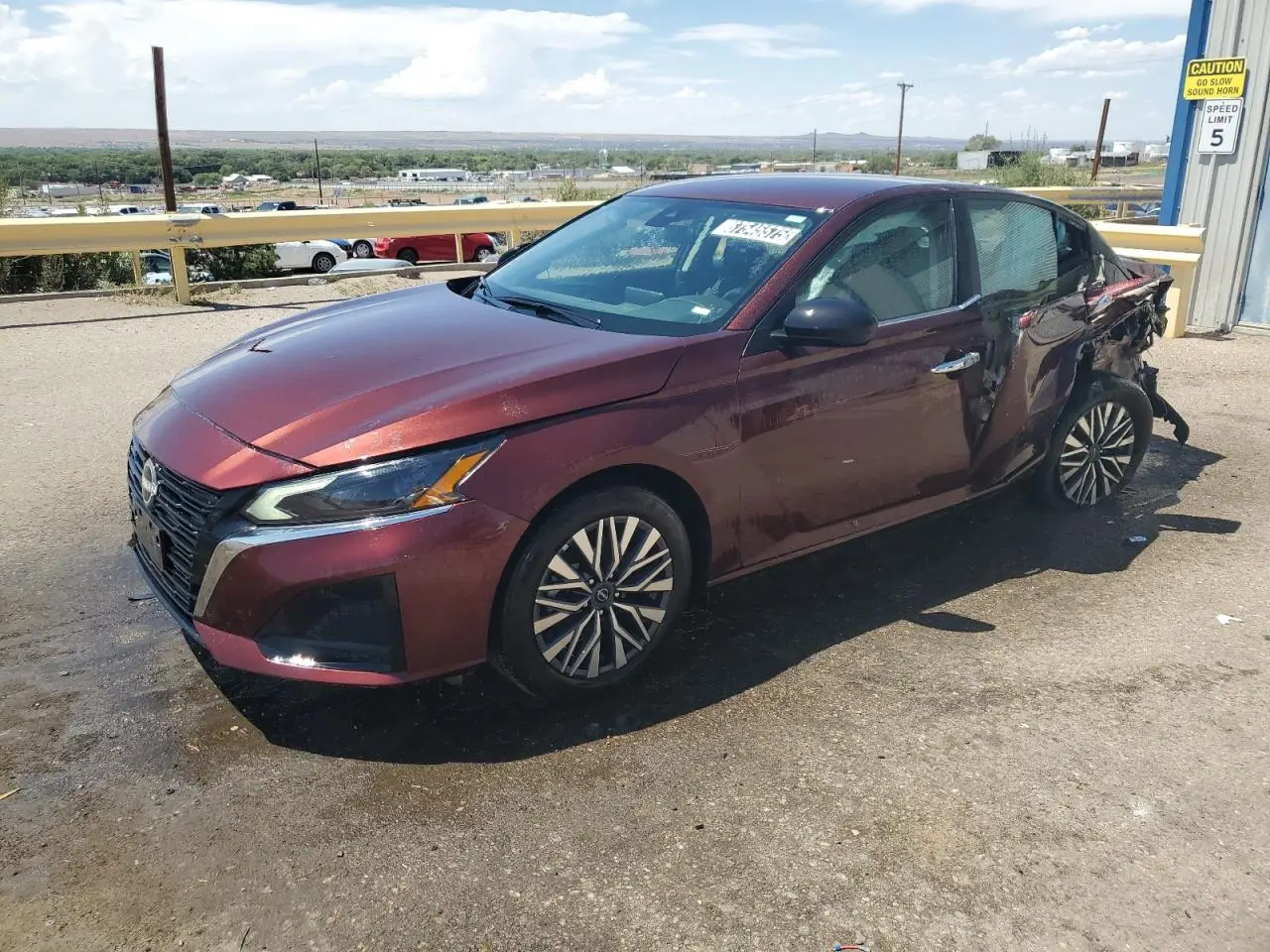
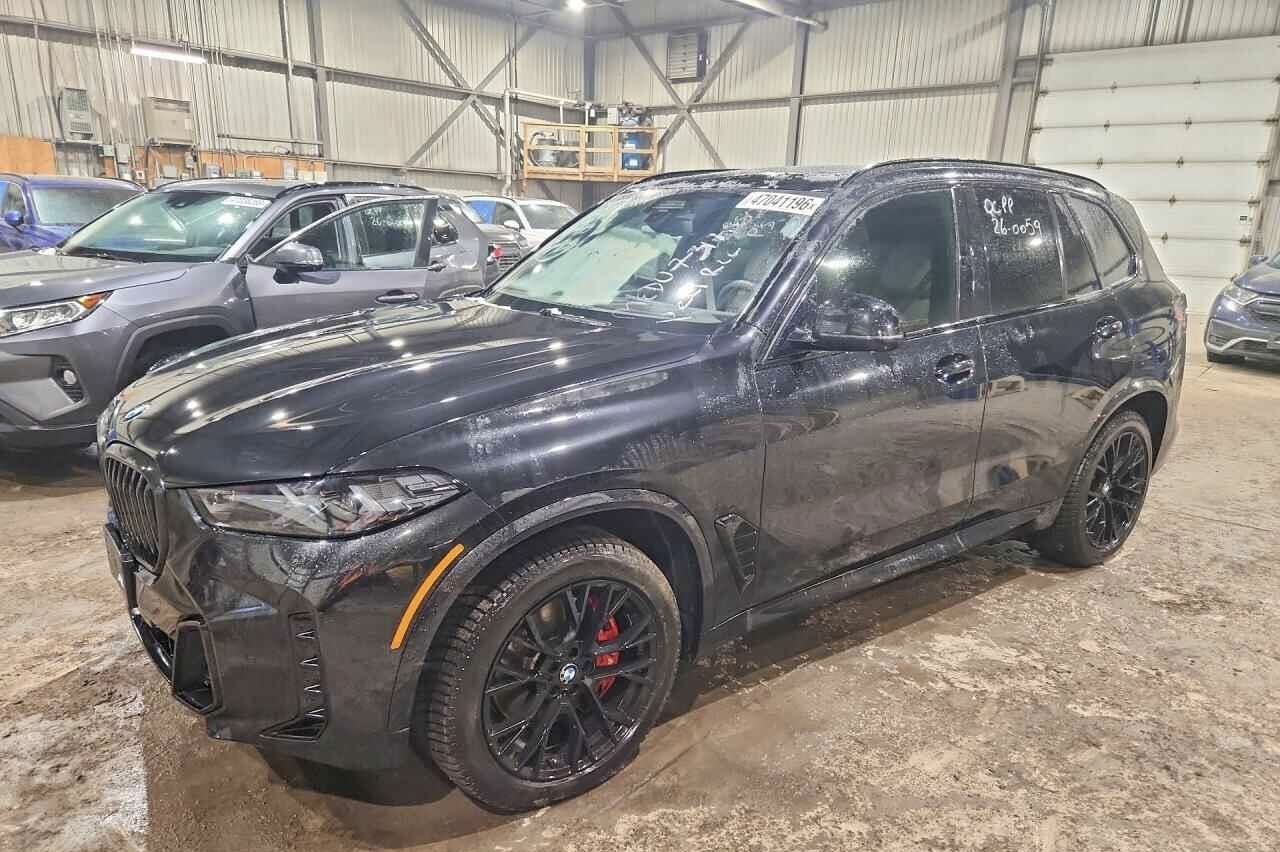
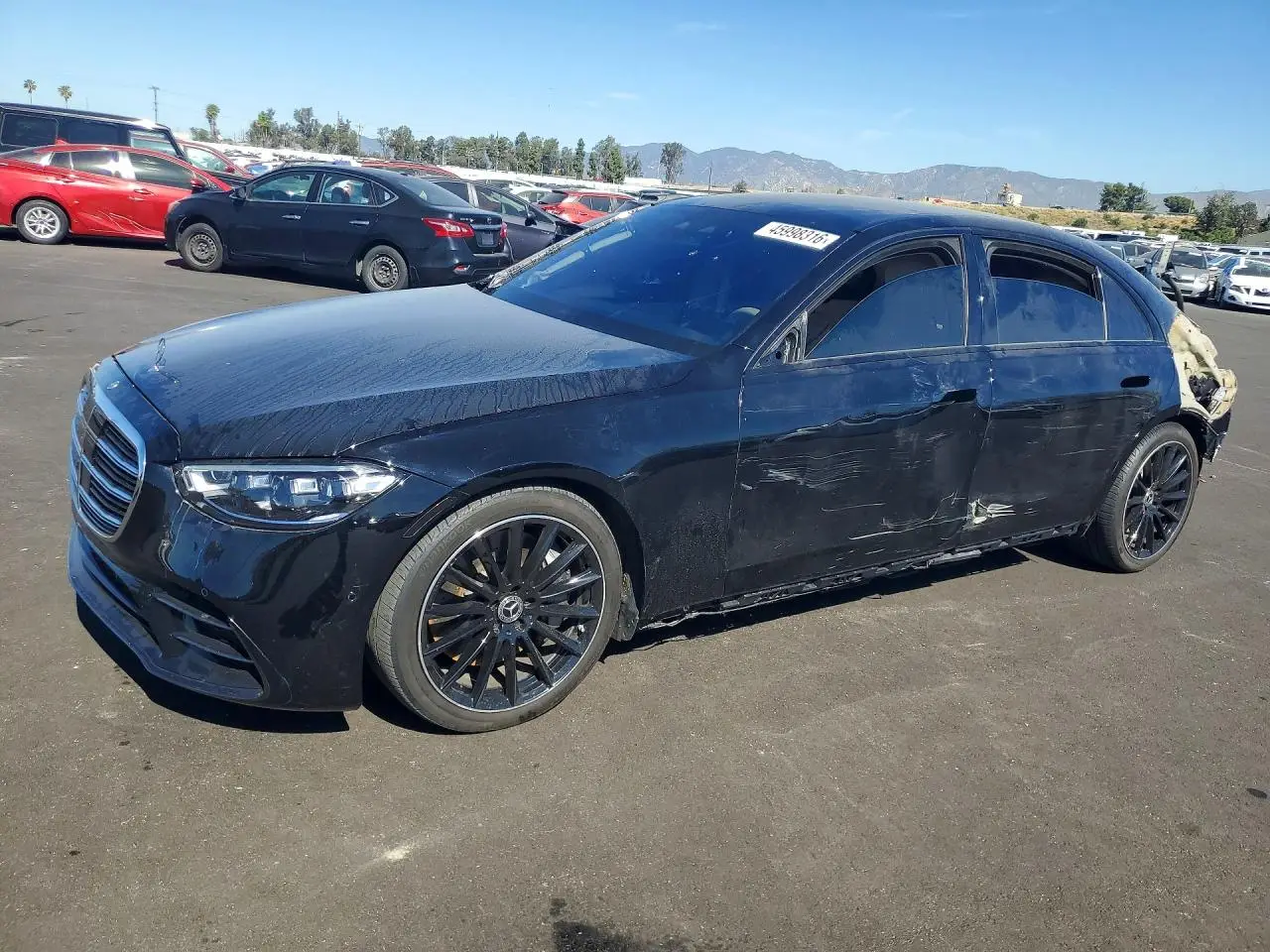
The minor damage group covers vehicles with light cosmetic issues such as scratches, small dents and normal wear, plus damage types that do not match a more serious category.
Minor does not mean problem-free. A listing may still hide issues that photos do not show, so the usual pre-purchase checks and a vehicle history review still apply.
Frequently asked questions
Is minor damage always cosmetic?
Usually, but the label is broad. Verify with photos, history reports and an inspection.
What should I still check?
Paint and panel consistency, tire and brake wear, fluid levels, and whether warning lights come on.
Inspection Checklist
Minor damage and normal wear vehicles are among the best auction opportunities. A focused inspection still protects your investment:
- Medium priority: Paint and clear coat — inspect under direct light for scratches, swirls, and touch-up spots
- Medium priority: Panel dents — check door edges, sills, and bumpers; assess PDR eligibility
- Medium priority: Tires and wheels — check tread depth, sidewall condition, and wheel curb rash
- Medium priority: Interior wear — seats, steering wheel, and pedals indicate actual mileage and use
- Low priority: Service records — normal wear vehicles with documented service are significantly more valuable
- Low priority: Glass and lights — inspect for chips, cracks, and fogged lens assemblies
General guidance only — not a substitute for a professional pre-purchase inspection. See our disclaimer.
Minor Damage vehicles in our catalog