Rear and Side Damaged Cars — What to Check Before You Buy
What “Rear / Side Damage” means
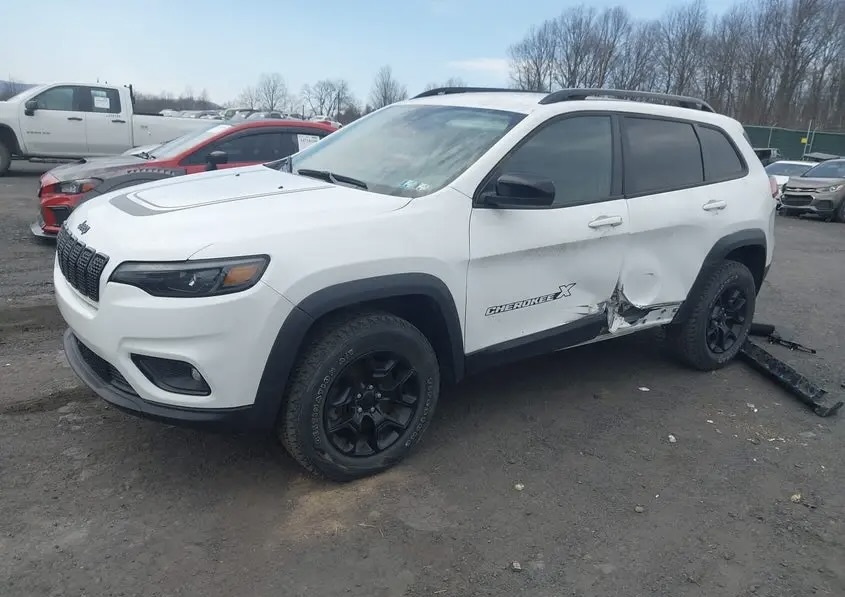
Rear and side damage covers impacts to the trunk area, rear bumper and quarter panels, as well as door and side impacts. The drivetrain is often unaffected, but body structure and safety systems can be.
Side impacts deserve extra attention, since doors, pillars and the floor structure protect the occupants and are more costly to repair than outer panels alone.
Frequently asked questions
Is rear damage cheaper to repair than front damage?
Often it is, because fewer mechanical parts are involved, but frame rails, the trunk floor and fuel system still need a proper check.
What should I check after a side impact?
Door alignment, pillar condition, the floor beneath the doors, side airbags and curtain airbags.
Inspection Checklist
Rear and side damage varies from minor panel work to trunk floor and quarter panel replacement. Key inspection points:
- High priority: Trunk floor and rear rails — check for buckling or repair welds indicating structural impact
- High priority: Quarter panels — assess whether repair or replacement is needed; welded quarters affect value
- Medium priority: Rear bumper and impact absorber — even low-speed impacts damage the hidden absorber
- Medium priority: Taillights and sensors — parking sensors and camera systems may need recalibration
- Medium priority: Trunk lid alignment — check gaps and hinge operation for signs of structural shift
- Low priority: Spare tire well — check for water intrusion or floor pan damage from rear impacts
General guidance only — not a substitute for a professional pre-purchase inspection. See our disclaimer.
Rear / Side Damage vehicles in our catalog